
I think everyone can agree that during one point of their Dungeon and Dragons or tabletop career, it is almost impossible to find someone willing to play a cleric that supports the party. This leads to multiple altercations at the table when the party starts becoming more and more powerful and then realizes that diseases, poisons, curses and stat damage are almost incurable without the help of divine magic. In Pathfinder, that was helped a little bit by spreading the cleric's power through the other divine classes and improving the paladin and druid spell lists. Though, thanks to the community and poorly constructed rules, classes like the wizard, sorcerer, cleric and druid have dominated the "top tiers" of character classes, because of sheer utility. This creates a fraction in class and group unity as your party becomes short in one or two classes that later almost feel necessary. The idea of having a top tier class, or tiering DND classes in general, hurts the game and community because it alienates players and creativity.

"Powergaming", or players that detract from the idea of the universe and story by creating a character based fully on rolling the maximum amount of dice or winning combat in one round, are the main cause of unorthodox parties. The party might be constructed of two wizards, one rogue, one ranger, and a paladin and desperately want either a cleric or another fighter-type, but instead the power gamer strolls in with another wizard or sorcerer that has core stats bumped to max levels and "non-essentials" dropped to sub-average levels, because they had read some guide online. Though, if played right, it can create a nice arching story for the dungeon master, as the party of three wizards are all vying for power from their magic schools and fighting over scrolls and spellbooks, but the issue here comes from the saturation of classes. Without having the core group: Fighter, Rogue, Wizard and Cleric, the party misses out on key attributes that define the party.
The reason that we love and cherish the core group is dominantly based on the idea that everyone has everyone's back covered. This allows your one or two additional players to cover the other realms and help the party succeed. For example, it's nice having a second arcane caster, and your current wizard is an Evoker (A magic man who loves blasting things), a great synergy would be a buffing wizard (Abjurist, Transmuter) or control wizard (Enchanter, Illusionist, Transmuter) or support (Conjurer, Illusionist, Necromancer). A bard can also fill in this hole by offering both control spells, buffs and skills. Your party could also be short on ranged damage and a ranger might fit in just fine, by providing easy travels through the wilderness, favored enemy bonuses and weapon styles. Or you just have guy that wants to bash stuff, and bash it hard. So a Fighter or Barbarian can fit those roles just fine. Most of the time, we cannot have such nice things. Sometimes our parties have no rogues and then traps become the scariest thing known to man and other times your party can be short on arcane spell damage, letting swarms of weaker enemies threaten, and perhaps even lead to, death.
So as a DM, you ask yourself, "How can I help my adventurers advance without railroading them into the next dungeon?" There are several answers to this. If the party is short on divine magic, offer, through story progression, them access to a temple for reduced tithes or send an acolyte NPC with them. The Acolyte could be up to three levels lower than the party and function as an outlet for your personal roleplaying. This also prevents the introduction of GM Characters and Mary-Sue NPCs that carry the party from one door to the next. Another way you can help the party advance when they are short on divine magic is by offering potions in more caches or having a local traveling merchant work with the party and play the economic scheme against them. This creates a dynamic where the world feels life like, as this merchant is prospering off the party he could be the one that is secretly funding the assassins of thieves who steal from the party.

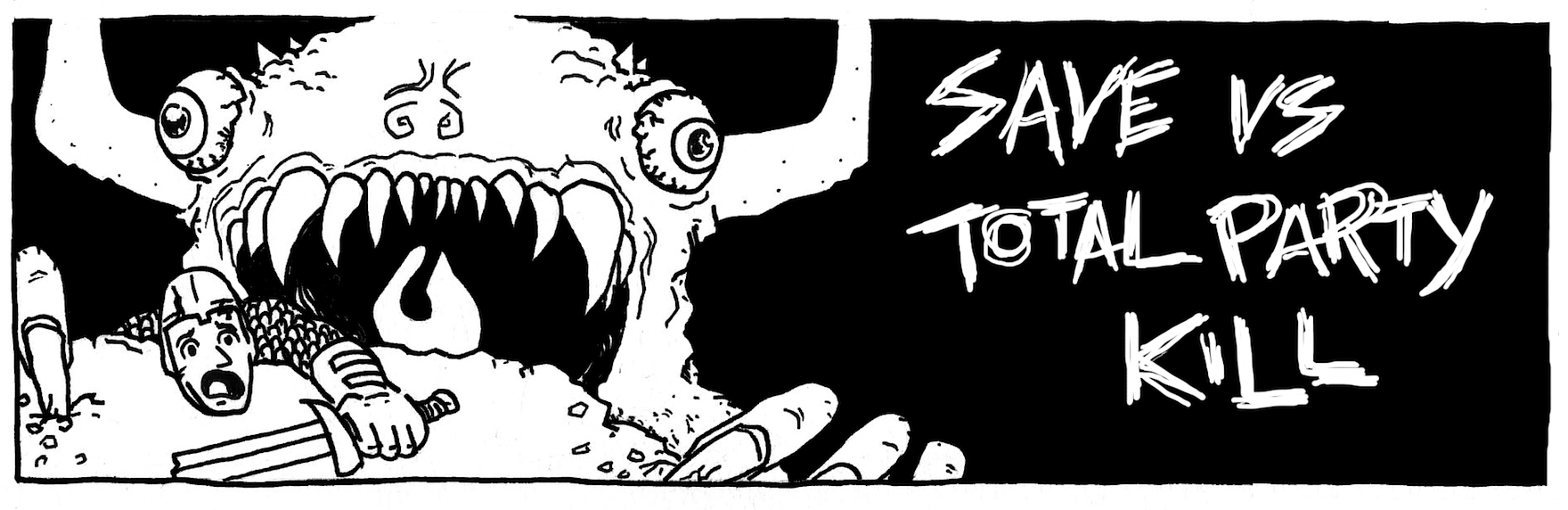
As the party advances in levels the largest threat to their security is save or die spells. These spells are exactly as they sound: Roll one saving throw or perish. This leads to only three classes that can resurrect a player: Cleric, Druid or Wizard/Sorcerer. The Wizard/Sorcerer can use Limited Wish and Wish, depending on the circumstances, while the Druid has Reincarnate. Reincarnate forces the player into the body of a different race and usually ends in the worst case scenario. Clerics are the only true class that can bring a character back from the dead, and usually from the "you were turned to dust" dead, reliably and affordability. In general, Dungeons and Dragons and Pathfinder are all about having fun and sometimes the most unorthodox parties can be fun. It's also fun to know that at any instant it could be your last, unless your party makes favors to some clergy or divine being. The late teens games turn into delves into planes to rescue souls and even defying death itself as devils, demons, angels and archons fight for souls.

Though, I believe that no one should discount the unorthodox party. There have been many successful non-core, iconic groups that didn't exist with having that fighter, thief, magic man and holy man and were some of the greatest ideas ever. For example, Robin Hood and his merry men are essentially are rogues, rangers and one monk that have all splashed into perform skills. The idea of four bards who save the world, because the common people believe them to be super heroes is another great example. Or even the basic idea of a thieves' guild that operates under the city and the players are all thieves of one variety or another create this idea of a non-orthodox group that functions perfectly. All in all, I believe a party make-up should be agreed upon ahead of time at the table and that everyone should have some sort of motivation for their character. This is not always the case, but sometimes playing ad hoc makes it just as fun.

No comments:
Post a Comment