Tuesday, April 28, 2015

Science- The Doorway to Instability,Success and World Domination on a Personal Neurological and Molecular Level

A fantastic concoction of CoFe2.
So, you woke up this morning and decided that you were going to begin practicing science.  That's great, but with every practitioner of Super Science there comes a price and checklist.  Every scientist, whether they fall into the crazed, self-practice of the mentally unstable variety, but deep down you can thank Them! of 1954 for your inspiration for anthropomorphic and arthropodic mutations and that large inheritance, because it's going to cost you an abundance to maintain the electric bill and employee healthcare.  As the days go on and on, your magnetic personality, currently figuratively and in the near future a reality, has attracted followers who have attended local community colleges looking for work with their newly Associates in Henching, but every practitioner of Super Science needs a den, a locale, a place they can call home.

Location, Location, Location!

It's the happiest place on Earth, it even comes with one free Com-panda.
Whether it is the long lost family castle in some Eastern European hamlet or the newly dredged basement of your mother-in-law's house, every scientist, whether successful or a failure, big or small, needs their own place to call Nirvana.  Perhaps you are egocentric and have already declared yourself You could have been previously successful in normal, not-fun and certainly non-innovative science and purchased a building or skyscraper that is in the shape of your favorite letter or if you are looking for the new model of success: Estates.  Your neighbors don't want you to expand on your success? Build something that will make them regret their decision.

Dressed to Impress

Goggles or glasses and heavily dramatic shadowing.  These are all essential.
There are many ways to show your colleagues that you mean business.  Whether you are a suave entrepreneur looking to get into electricity or a renegade rocket scientist from a war torn state, it's all about self-representation.  As the years go by sometimes you need an image change from the old speed suit into something far more sleek.  Deep down, the way that you dress to impress should be reflective to your ideals of fashion.  Society doesn't have any control over what you wear and that's a good thing.

Hiring Your Henchmen on a Hitch

He's also great at crushing dreams.
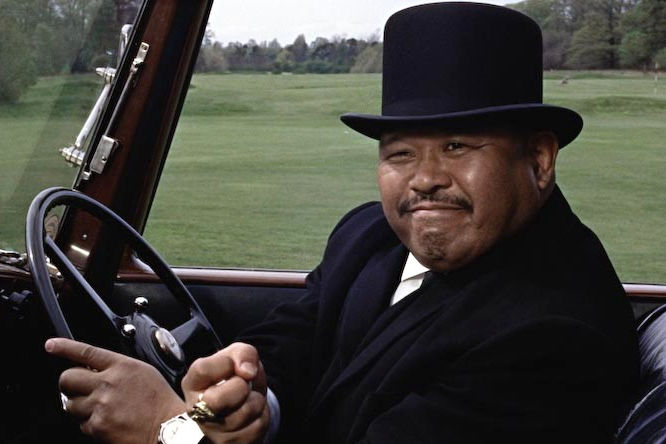
Now every once in a while you'll get some applicants that are far, far too unique to sign away to the standard henchman role.  They could be armed with razor sharp hats, metal jaws or even height disadvantages.  There is one true fact that can make a simple henchman the best asset in your arsenal and that is by having a unique mix of expendability and invulnerability.  

Rivals in the Field? Why Not a Healthy Dose of Disintegration?

"Zzzzzzzzzz-t!"

Jealousy is a mantra all other scientists should use around your personal success.  There's just something that drives every man or woman and sometimes it is jealousy, sometimes it's the overwhelming need to remove incompetence.   As the years go by, some individuals of Super Science decide to strengthen the community by efficiently selecting individuals that have produced nothing but failure.  Sure, it looks bad on the Resume, but in the end you are doing, what the simple minded believe to exists, but you have proven otherwise, the good Lord's work.

Retirement? Consider This Location!

"I-i-it's like that movie you like so much."

So it has happened, you are old and you have survived the selective culling from your peers.  The opportunities of the future seem bleak, but don't worry, your family will probably shield you.  Probably.  As long as you have a family to go to, which most Super Scientists do.  It pays off to have a long-strain of Geneological-Successive-Set-of-Accurately-Superior-Genetic-Clones, because if they all share the same Genotype there's a potential that one of your old rivals might develop a disease that targets a specific chromosome and no one wants to see your possible potentials die out.

So remember, as a scientist of the super variety, any tips that can increase your chance of survival and success are tips that morons have written down in hopes to show that they are smart and hopefully steal money from those that don't know any better.  You've already thought about all of this.


Thursday, April 23, 2015

How to Handle an Unorthodox Party


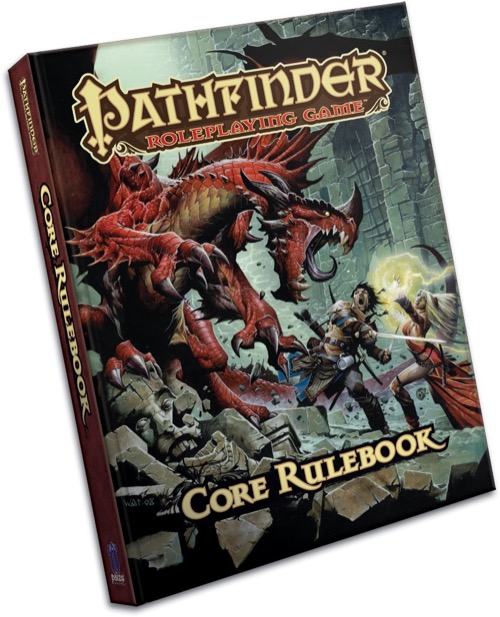
I think everyone can agree that during one point of their Dungeon and Dragons or tabletop career, it is almost impossible to find someone willing to play a cleric that supports the party.  This leads to multiple altercations at the table when the party starts becoming more and more powerful and then realizes that diseases, poisons, curses and stat damage are almost incurable without the help of divine magic.  In Pathfinder, that was helped a little bit by spreading the cleric's power through the other divine classes and improving the paladin and druid spell lists.  Though, thanks to the community and poorly constructed rules, classes like the wizard, sorcerer, cleric and druid have dominated the "top tiers" of character classes, because of sheer utility.  This creates a fraction in class and group unity as your party becomes short in one or two classes that later almost feel necessary.  The idea of having a top tier class, or tiering DND classes in general, hurts the game and community because it alienates players and creativity.


"Powergaming", or players that detract from the idea of the universe and story by creating a character based fully on rolling the maximum amount of dice or winning combat in one round, are the main cause of unorthodox parties.  The party might be constructed of two wizards, one rogue, one ranger, and a paladin and desperately want either a cleric or another fighter-type, but instead the power gamer strolls in with another wizard or sorcerer that has core stats bumped to max levels and "non-essentials" dropped to sub-average levels, because they had read some guide online.  Though, if played right, it can create a nice arching story for the dungeon master, as the party of three wizards are all vying for power from their magic schools and fighting over scrolls and spellbooks, but the issue here comes from the saturation of classes.  Without having the core group: Fighter, Rogue, Wizard and Cleric, the party misses out on key attributes that define the party.

The reason that we love and cherish the core group is dominantly based on the idea that everyone has everyone's back covered.  This allows your one or two additional players to cover the other realms and help the party succeed.  For example, it's nice having a second arcane caster, and your current wizard is an Evoker (A magic man who loves blasting things), a great synergy would be a buffing wizard (Abjurist, Transmuter) or control wizard (Enchanter, Illusionist, Transmuter) or support (Conjurer, Illusionist, Necromancer).  A bard can also fill in this hole by offering both control spells, buffs and skills.  Your party could also be short on ranged damage and a ranger might fit in just fine, by providing easy travels through the wilderness, favored enemy bonuses and weapon styles.  Or you just have guy that wants to bash stuff, and bash it hard.  So a Fighter or Barbarian can fit those roles just fine.  Most of the time, we cannot have such nice things.  Sometimes our parties have no rogues and then traps become the scariest thing known to man and other times your party can be short on arcane spell damage, letting swarms of weaker enemies threaten, and perhaps even lead to, death.


So as a DM, you ask yourself, "How can I help my adventurers advance without railroading them into the next dungeon?"  There are several answers to this.  If the party is short on divine magic, offer, through story progression, them access to a temple for reduced tithes or send an acolyte NPC with them.  The Acolyte could be up to three levels lower than the party and function as an outlet for your personal roleplaying.  This also prevents the introduction of GM Characters and Mary-Sue NPCs that carry the party from one door to the next.  Another way you can help the party advance when they are short on divine magic is by offering potions in more caches or having a local traveling merchant work with the party and play the economic scheme against them.  This creates a dynamic where the world feels life like, as this merchant is prospering off the party he could be the one that is secretly funding the assassins of thieves who steal from the party.


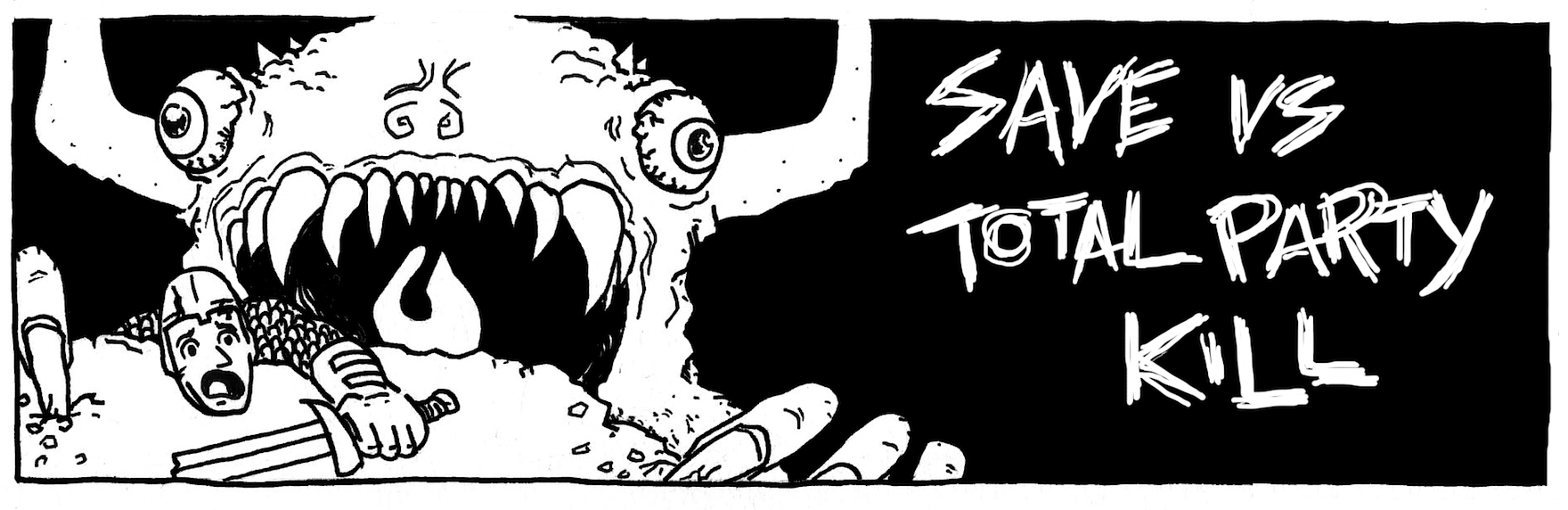
As the party advances in levels the largest threat to their security is save or die spells.  These spells are exactly as they sound: Roll one saving throw or perish.  This leads to only three classes that can resurrect a player: Cleric, Druid or Wizard/Sorcerer.  The Wizard/Sorcerer can use Limited Wish and Wish, depending on the circumstances, while the Druid has Reincarnate.  Reincarnate forces the player into the body of a different race and usually ends in the worst case scenario.  Clerics are the only true class that can bring a character back from the dead, and usually from the "you were turned to dust" dead, reliably and affordability.  In general, Dungeons and Dragons and Pathfinder are all about having fun and sometimes the most unorthodox parties can be fun.  It's also fun to know that at any instant it could be your last, unless your party makes favors to some clergy or divine being.  The late teens games turn into delves into planes to rescue souls and even defying death itself as devils, demons, angels and archons fight for souls.


Though, I believe that no one should discount the unorthodox party.  There have been many successful non-core, iconic groups that didn't exist with having that fighter, thief, magic man and holy man and were some of the greatest ideas ever.  For example, Robin Hood and his merry men are essentially are rogues, rangers and one monk that have all splashed into perform skills.  The idea of four bards who save the world, because the common people believe them to be super heroes is another great example.  Or even the basic idea of a thieves' guild that operates under the city and the players are all thieves of one variety or another create this idea of a non-orthodox group that functions perfectly.  All in all, I believe a party make-up should be agreed upon ahead of time at the table and that everyone should have some sort of motivation for their character.  This is not always the case, but sometimes playing ad hoc makes it just as fun.

Wednesday, April 22, 2015

The Rebirth of Dungeon Fighter Online

It's back and better than ever!
Dungeon Fighter Online is a rare gem in the world of brawlers and certainly is welcomed back by both veterans and people new to the game.  It is published by Neople, a Korean based company, and they are currently hosting the servers and content. The servers were initially ran by Nexon, who also hosts Maple Story and Mabanogi, and was shut down in 2013 because it was considered "less" popular to their other titles. Nexon originally acquired the service in 2010 and while the North American audience waxed and waned, it suffered issues of content.  In the Korean version of the game, players had access to more content, more classes and better updates while Nexon eventually let the game die out, only releasing three of the seven new classes.

Now we have the Thief, Creator, Dark Knight, Male Fighter, Male Mage and the Knight!

What Makes it Great

Music

The game itself plays like most other games of the brawler genre: Pick a Character, spam that punch, slice, kick, shoot button and collect power ups, (exp) points and gold.  There are multiple facets where this game is diverse from its competition, like the soundtrack which melds both metal sound and synthesizer or orchestrated music.  This can also be contrasted with the K-Pop anthem of the recently released Knight class, Dream4U.  On top of this amazing soundtrack, the character classes have depth in personal specialization and each has a unique play style.

Characters

Every character in this game is sophisticated and some of them rank from an easy style of play to a hard or expert level of play.  For example, while playing a Slayer, who is the standard "I have a sword and I cut monsters", when he hits level 15, he can choose to become 1 of 4 different classes including: Blademaster, Beserker, Asura and Soul Bender.  The Blademaster is the master of all of the Slayer weapons, which include katanas, short swords, zanbatos, bludgeoning weapons and give him unique bonuses depending on the weapon of choice.  He is currently the only class in the game that can use a Lightsabre weapon.  The Berserker uses his Hit Points, which fuel his abilities, to deal massive damage, has access to strong self-healing abilities and can easily tank through fights without using a potion. The Asura takes up the archetype of the blind swordsman who uses magical waves to kill monsters and clearing rooms quickly. Finally, the Soul Bender, whose mastery over demons allow him to make Venn Diagrams demons of death and status ailments.  On top of that, these demons also buff the party he is playing with.

In the current iteration of the game we have access to Slayer, Female Mage, Female Gunner, Male Gunner, Female Fighter, Priest, Male Fighter, Male Mage, Creator, Death Knight and Knight with Female Slayer in the future.  Most of these classes have access to 4 specializations, as aforementioned, with only four having two or none at all, due to their class power.  When you hit level 50 with a character, that character receives a quest to Awaken which awards you with a new class title, new active ability and passive.  On top of that they are also rewarded with access to TP or Technical Points, which specialize your preferred abilities.  The current level cap in the game is 70, with hopeful players dreaming of second Awakenings and the current level 85 cap of the Oceanic Servers.

Controversial Points


Fatigue Points, a restrictive form of time allotment that prohibits players from playing the same character for a long duration.  The issue with Fatigue Points is that is what dictates how long you can play a certain character and it will eventually drain to zero and you have to wait until the game resets, similar to daily resets of World of Warcraft, to play your character again.  This issue hits hard on those that want to play only one character and feel penalized playing only one or very few characters.  The good thing is that by playing two higher level characters, you can easily burn 4-5 hours of real life playing two or three characters beginning from the 30s and extending slowly to the current level cap.  The good news, is that you can easily gain a level or two a day in your 50s and easily a level a day in your 60s.
The Good
  • Allows you to play two or three different characters a day and feel like you progressed 
  •  Encourages farming on your characters and keeps the game constantly fresh by allowing players to sample characters they normally would not select. 
  •  You can have upwards to 20 characters 
  •  You make more money, farm more resources and gain more assists (Will talk about this later) because of the Fatigue System
The Bad
  • Punishes players for not having alternative characters because they cannot farm as much as those that play 4+ characters a day.
  •  Early level gameplay feels extremely restrictive compared to upper level play because of the speed of draining Fatigue Points.
  •  Does not allow players to play their "favorite" character all day.
  •  Many classes do not shine until their 30s, which means it may not feel rewarding at all to play different characters.
The Cash Shop has always been part of the game due to the Free2Play environment.  In Nexon's day it offered avatars (model changes that gave bonuses to stats) and other varied goodies, like the equivalent of keys to Team Fortress 2 or CS:GO.  So far the Cash Shop in Neople's Dungeon Fighter, we have no clues what will be in the shop, but veterans can presume that avatars will make a return.  Neople has also introduced the Mileage system into the game, where you can purchase items that help your experience, by how much you play your level 20+ characters.  The Mileage Shop currently offers players ways to extended their temporary avatars to last indefinitely, buff potions and two Fatigue Restore potions on separate timers.  The good news is that you can easily gain Mileage and purchase fatigue potions for two of your characters a day, extending the play of your favorite characters.

Should I Give it a Try?

I would recommend the game to anyone that misses the Brawler Genre like Battletoads, Double Dragon or newer games in the genre like Dragon's Crown.  The game plays very smoothly and supports up to you and three buddies to play together in bashing monster's faces in, but suffers peer to peer connection issues which can cause issues with playing with friends or strangers.  The game does support controllers and I am currently using a Playstation 3 controller to play the game, every great once in a while I have an input error where one of my abilities triggers automatically, but in general the game feels fantastic on a controller.  The game itself is dated, with no high definition resolutions (720p, 1080p or higher) and works fine in a window, but at smaller resolutions.  

Direct Link to Game Download - requires a login, which can either be a Facebook account or another separate email.

So Your Party is a Kleptomaniac-Sociopathic Monstrosity...

Do you know what time it is?
It's every Dungeon Master's nightmare.  Watching your fictional crops burn and NPCs get murdered either out of cold blood or revenge, this leads most Dungeon Masters to pure insanity and even quitting completely.  Some players, sometimes not always destructive, view your game world as a playground to destroy from the bottom up, starting with simple shopkeepers and eventually kingdoms.  Now there are tools that can help you recognize the issue, when it's too late for recovery and ways to help your game.

5 Ways to Identify the Problem


1) Your group contains a CN Murder Hobo:
The dreaded Chaotic Neutral character, who claims that free will dictates that they are allowed to do anything they want.  Murder Hobos are, in general, the most iconic of all Chaotic Neutral characters. They feel like you are impeaching on their rights as an individual when you threaten an alignment change and when they are punished for their crimes against humanity, they begin to take it out on the poor innocent farmers, innkeeps, merchants and eventually other players.
2) Your group contains Grim Darkness, the Sociopath:
Grim Darkness is a character whose past was so dark and terrible that it he takes out his aggression on society because of these events in his life.  It starts out innocent enough, the River Baron had enslaved his family and eventually killed them, but as an adult he now wants to kill all barons or tear down society because...of reasons.  Usually Chaotic Neutral and more likely Chaotic Evil,  Grim Darkness will also take his aggression out on different targets, but unlike the Murder Hobo, at least has specific targets.
3) Your Paladin fell:
Now this can range from really cool to something terrible.  When a Paladin falls, it should be a dramatic change to the archetype of justice to the archetype of destruction and ruin, in some cases, those that choose to become Anti-Paladins, seriously, that's the name, not Blackguards, but Anti-Paladins, they forsake the old virtues that they admired to become villains.  In general, get ready for people to play Chaotic Evil dicks.
4) The Trinity of Not-so-Evil:
Your party contains a Necromancer, a rogue or thief and a variation of some terrible half-breed monstrosity, great. They were told that it was a game where evil alignments were banned and now are going to play variations of good or neutral and completely destroy your game by stating that our "actions are good" every time something inexplicably evil happens.  For case and example, the Necromancer kills the rogue and raised him as a skeleton, because the rogue wanted to steal the Necromancer's spellbook so he can sell it for a high price and give his profits to an orphanage while the half-Minotaur-half-Dragon continues to intimidate the town for money.  It can be a fun archetype to play with, but you have to be willing to work with the impending Doomsday.
5) Your Party's Body Count Outnumbers the Current Warlord's:
All I can say, is when someone rolls a Knowledge (local) for population expect a massacre.

5 Signs That Your Game is Near Doomsday


1) Half of Your Town has Become Skeletons:
Remember that Necromancer, Formally-Once-A-Rogue-and-now-a-Skeleton and the half-breed monstrosity? Well, they, the Necromancer, decided that the town would be better under control and crime rates would be down if his army of skeletons were both the local militia and populace.
2) Murder House:
As he slides over the last index card the rest of the table remains quiet because, your party only has two characters left out of five, and one of them is the CN Murder Hobo.  The Murder Hobo currently has used his deceitful ways to lie out of every one of his murders, dominantly those of party members, and expects everyone out of game to appreciate him.  Good thing the money was good.
3) Anti-Paladin/Devil Caller
Your Anti-Paladin has aligned himself with a Devil Prince and has brought Armageddon upon the world.  I guess time to reroll characters to stop the end of the world...or you can just pack up your bags, take a deep breath, and enjoy life knowing that game is over.
4) War of Attrition
When the party's body count almost exceeds the world's population you have to realize that someone will want somebody dead in the morning.
5) Where's the Kool-Aid?
A cult has been built around the party, who plans to re-create Jonestown.  I guess it paid off to have a high charisma, think of all the loot.

5 Processes to Recovery


1) The L.O.F.B.
The Low Orbit Falling Boulder, it works to eliminate problem children before they are a problem.
2) Headhunting
When in doubt, read a G.R.R Martin Book, at least death is a plot motivator and not a plot ender.  Embroil the characters into a fight against each other or the law and have a king, leader or ruler get involved with their crimes.  Enjoy the tears when they realize that their special snowflake melted before it touched the ground.
3) Selective Traps
Have a person who is overtly greedy? Have a person who leads too often and want to punish a party? Don't punish the party, that's bad, bad DM.  They didn't do anything wrong.  Unless they are the party of Not-so-Evil.
4) Game Over
Allow players to fall into a game over and say "I'm sorry, come again" and restart from day 1.  Change some minor details here and there and laugh it off.  Great ways of game overs include, but are not limited to: Rocks Falling, Poison Gas Room, 10'x10'x'60' pits when athletics, jump or acrobatics is a low party skill.
5) Die Perfekte Gruppe
Become a Tabletop Nazi and dictate that alignments, races and classes are banned and all others are inferior.  It also allows you to channel out sourcebooks, "high tier" classes and as some players say, "fun".  You then can live out your fantasy of playing Super Smash Brothers with Fox Only, Final Destination and No Items. 

Thursday, August 21, 2014

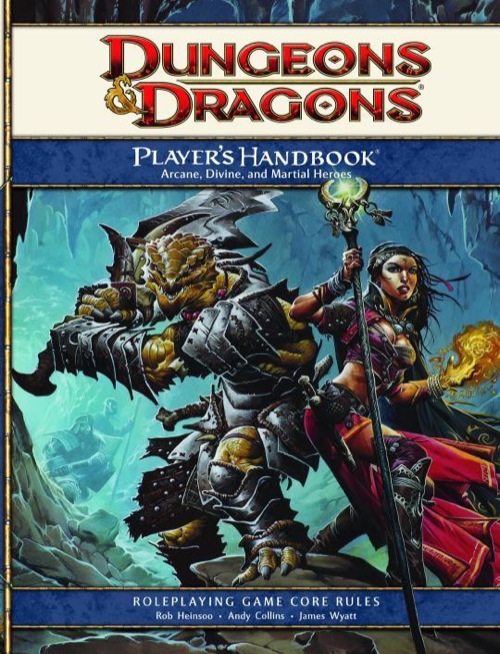
Dungeons and Dragons: Edition Wars


About every decade a new edition of Dungeons and Dragons releases to the public.  Some people love the newest edition, while others complain that it is the worst thing to come to famed tabletop game.  My first experience with Dungeons and Dragons was Bauldur's Gate and Advanced Dungeons and Dragons (AD&D).  I was maybe nine when I first played Dungeons and Dragons and of course my memory is still fuzzy about what had happened outside of being exorbitantly excited and dice rolling. So to be fair, I cannot fully express my adoration for AD&D and Second Edition, but I know more than a handful of people who epitomize Second Edition as being the best set. Truly my infatuation with Dungeons and Dragons began when Third Edition released in 2000.  While Third Edition is a love-hate relationship, some will say that it ruined Dungeons and Dragons, others praise it as the Messiah, it had certainly left a mark on many tables and references.

Third Edition


Third Edition had released during the second millennium, we had survived Y2K and my generation didn't really care much about tabletop games.  I on the other hand was pulled into the Fantasy genre thanks to Tolkien, The Hobbit or other assorted Fantasy movies like Conan the Barbarian.  Third Edition had introduced to the system a unified experience chart, diverse classes (some much better than others), feats and skills and simplified saving throws.  Players could rejoice with character specialization through skill points, feat selection and spell selection.  A major problem with the game was the unreadable rules for disarming, tripping, grappling and other rules that extended past "I attack the monster".  Summon spells would also require the spellcaster to have the statblock nearby so they could reference what their summon could and could not do.  Some spells were also labeled as Save vs. Die or Win-Win outcome spells.

Three Point Five


Three years later (2003), we received a rule revision that focused on cleaning up all of Third Edition.  While spellcasters remained extraordinarily strong, other classes that were considered terrible received the Holy Band-aid of Fixing and started to become a viable character choice.  Examples of this are skills being condensed, which allowed Rogues to spend points in "more valuable" areas, Ranger received combat styles, but his hit dice was dropped to D8 and finally the Monk received love to be a playable choice.  Some of the strongest spells in the game were also re-balanced to help maintain a thin guise of balance between casters and martial classes.  This edition still suffered confusing rules when it came to dealing with non-conventional attacks, but it was easily one of the easiest systems to get into as a veteran player.

Three Point Seven-Five


While not technically a Dungeons and Dragons product, through the Open Game License, Paizo was able to produce their own ruleset to the D&D 3.5.  This edition came out in 2009, one year after the release of Fourth Edition with the slogan, "3.5 Thrives!" In this edition Paizo was able to reconstruct some of the most of confusing rules in 3.X such as grappling, tripping and disarming by placing them as a their own singular dice roll "Combat Maneuver Bonus" which is rolled against a target's "Combat Maneuver Defense".  All of the classes were also re-balanced and allowed for greater specialization.  Barbarians now gain rage powers, special abilities that can only be used during their rage, Rogue's gained talents that amplified their class abilities, Sorcerers received bloodlines and the Clerics domains became amazing.  Now to put it simply, the game still works on the foundations of the 3.x universe and if you are familiar with that system, it will be easy to get into this system.

Fourth Edition


Fourth Edition is World of Warcraft Edition of Dungeons and Dragons.  It was released 2008 with mixed reception. Where prior editions were focused more on roleplaying, Fourth Edition focused dominantly on combat.  The game itself did not focus on the idea of roleplaying, but more about getting more players interested in Dungeons and Dragons.  Characters were separated into different archetypes, I.E. tank, nuker, healer and didn't allow for much focus outside of the combat.  The most interesting thing in this edition was that every class had something to do in combat, everyone felt effective and combat could be very challenging.  While it has a Dungeons and Dragons name going for it, for combat purpose it is one of the best systems for combat.  Combat does not bog down, everyone is useful and everyone has purpose. There are also neat mechanics like pushes and pulls, marking (taunting) and healing for classes that would not normally heal.

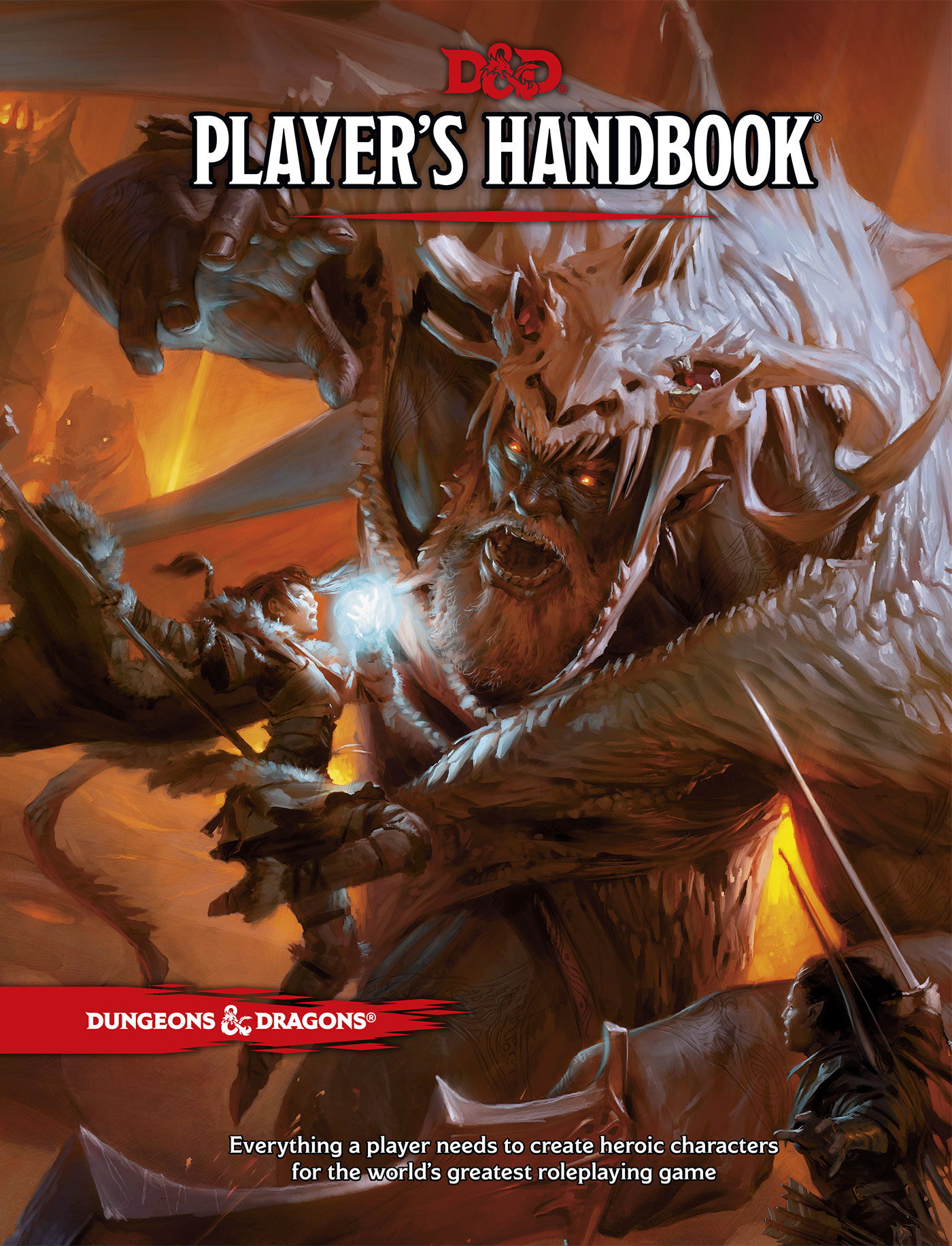
Fifth Edition


The newest release, which I have yet to play, was released August 2014.  Currently the the only book released in this edition is the Player's Handbook and it certainly does not disappoint.  The top four things that I am impressed with this system are backgrounds, class re-balancing, advantage-disadvantage and inspiration.  The backgrounds do fantastic things for players who are not familiar with Dungeons and Dragons and allows them to randomize their character background.  This background then guides you how you character should be played, the best thing of all is that your DM will reward you with inspiration during an encounter, roleplaying session or even combat.  Inspiration allows you to roll two d20s and take the best of the two.  Advantage and Disadvantage work the same way as inspiration and can happen anywhere.  For example, your character falls down a pit, but is where climbing gear and has a rope, you would have an advantage and would be allowed to roll two d20s.  Fifth Edition or D&D Next is certainly on my list of games to try out, because it brings back the roleplaying aspects of the older editions while keeping the system simple.

Conclusion


All in all, my heart still sits with 3.X and Pathfinder.  Those editions have always been the heart of everything I loved about Dungeons and Dragons and I believe that everyone has their own edition they like.  Some of us might have loved Fourth Edition, others still dwell on their memories of Second and AD&D and remember the days of 18/00 Strength and THAC0.  While we all sit in our dark dungeons, pondering how to escape the lair of liches, dragons and demons we still find hope that our dice will sit at the top 5%.  Do you have an edition you like best?  Leave me a comment and tell us a story about how your edition is the best edition.  

Monday, August 11, 2014

When is it Okay to Metagame


We've all heard it before, and each side of the fence has their own arguments.  In tabletop, especially roleplaying games, it is firmly looked down upon and considered a true anathema to the story, but what if I told you there are ways that you can Metagame in either Dungeons and Dragons and Pathfinder without having your party, Dungeon Master, or real-life players begin to choke you and be considered a good player.  These solutions can be found in core rulebooks.

1.) The Diviner


Divination spells focus dominantly on the principle of detection, identification and location.  The problem comes down to that Divination is not a popular spell line to choose as either a Sorcerer or Wizard, because those classes tend to focus on more combat-utility spells instead of pure utility spells.  This is partially due to the Dungeons and Dragons schema shifting from a "role"-playing experience to "roll"-playing, which was present in 3rd Edition and extended through 4th Edition.  Divination spells inherently are not aggressive in the Arcane spell list, containing spells like Detect Magic, Read Magic, Identify, Detect Thoughts and Clairvoyance.  The strength of the Diviner is that they have immediate reactions that allow you, the player, to gather information quickly about items, locations and people.  With the ability to gather quick information, identify spell effects and auras with little to no effort (Arcane Sight) and spying (Prying Eyes, Arcane Eye). The downside to a Diviner is that you do not have access to real information gathering spells like Augury.  Augury, which will be explained later, allows a player to ask a divine being a yes or no question with varied success. 

2.) Thy Holy Beacon


Clerics, unlike Sorcerers and Wizards, can gain information through spells through spells like Augury.  These spells allow the Cleric to gain information about certain actions like: "Are the Bosnians planning to assassinate Archduke Ferdinand?" The answer...nothing.  The cleric would need to cast Commune to find out any information about that question.  Augury on the other hand can be used to justify where to go in an adventure, like posing the question: "Will this path take us to great wealth?" The answer, weal, woe or nothing.  The Augury can also be used to ask about friendship with NPCs: "Does this NPC want to invest in our adventure?" Again, this can be answered with weal, woe or nothing.  Commune does what Augury does, except better and not vague.  Depending on the successful roll, your information comes from different planes or even your deity, that give a certain Yes or No.  If the roll is low, there is a chance you could be lied to, but that is unlikely.

3.) Knowledge, Profession and Craft


Sometimes when your party is drawing straws about how to open a door or get through a puzzle, Knowledge, Profession and Craft checks can sometimes garner information that your character would know.  For example, you are a Fighter who has knowledge Engineering and a former profession in carpentry.  The fighter would certainly be able to figure out how to get a door off hinges with enough time or he might be able to direct the Wizard where to use his Disintegrate spell to the best use.  The fighter would probably also know how well support beams are working in a mine, how to test stones in walls to find a spot.  That would be especially true if he had taken Craft (Stoneworking) creating a synergy of all of his former class knowledges.  This also allows your character to roleplay and "roll"-play, because you had built a backstory where his craft, profession and knowledge are built on synergy.  Another example of this would be a rogue who travels with bards.  The rogue would probably be the pickpocket and wants to be good at hiding his intentions, so he has taken Perform (Comedy) and acts as a clown through a crowd, bumping into them, falling over and quickly stashing their coinpurse.

4.) Gather Information and Learning from NPCs

"Give me your money! My knife is haunted!"

Sometimes you need a spy, sometimes you need a player that can work inside of a network of goons for hours on end and your rogue vocally states that he or she doesn't want to be endangered.  What are you going to do?  Why do you think villains are so great at gaining information?  They hire lower level PCs or NPCs to visit, socialize in areas of high interest and have them return information back to them. A Thieves' Guildmaster might use street urchins and orphans to get information about new pickpockets in town, the Guildmaster might also use one of his lower-tiered associates to become friends with barmaids who then gossip all the good news in hopes of learning about adventurers who had just came back with a huge cache.  Players are also allowed to do this, the problem is, is that it takes time and you have to be able to trust your hireling to do what he was hired to do.

Conclusion

While your party Dungeonmaster may or may not agree, freely metagaming certainly is frowned upon, but you are free to use anything that makes sense to your character and how he or she knows information.  Paladins can detect evil on objects and individuals with varying degrees of success. Wizards can eventually identify an item so well they learn the history of the magical item like who the previous owner was and who made it.  Clerics are essential to the fold, both for their powerful healing spells, buffs and information gathering. Being able to know whether or not to trust an NPC like a king, lord or even the barkeep can be the springboard of a new adventure.  So when you are looking through your spellbooks, remember Wizards, Sorcerers and Clerics, sometimes it is nice knowing something your Dungeon Master didn't want you to know.

Tuesday, May 27, 2014

Stride with the Pride: A Green and White Agro


Motivation

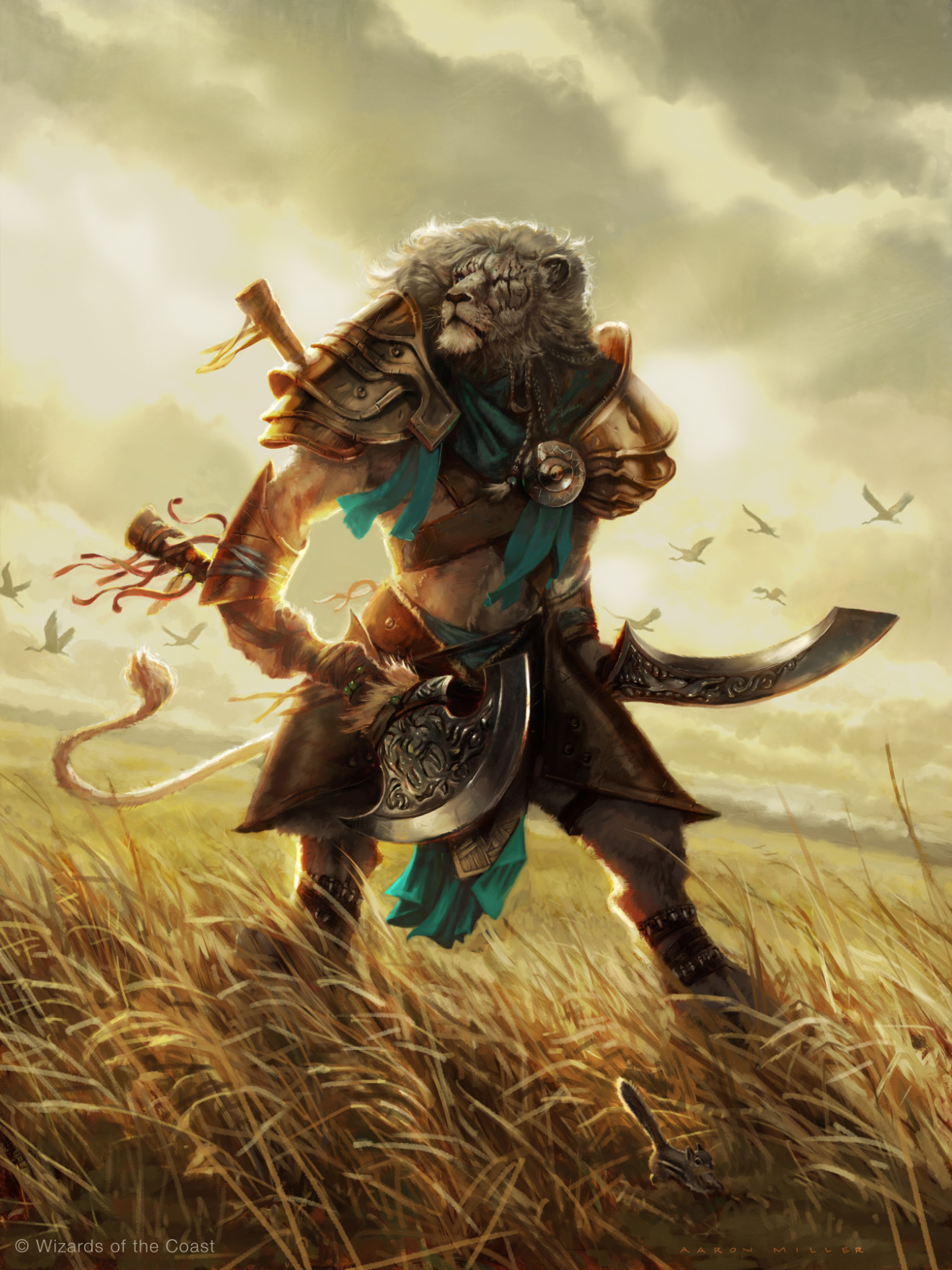
Focusing heavily on the combination of both the mechanics of Strive and Heroic, this unique Green and White agro deck focuses on placing as many +1/+1 counters on your creatures as fast as possible.  With Ajani and Brimaz on the forefront, they will help build up your front line and continue to dominate the battlefield.  This is certainly the most expensive deck I have built, currently ranging near $81, before I add in any other cards to help solidify the deck.

Deck Contents

Land (19)
Creatures (31)
Spells (10)
Total Cost: $80.99

Ways to Improve the Deck

Land
Creatures
Spells

Potential Sideboards:

Strategy of Play for Base Deck:

The deck runs strong with a ton of low mana cost creatures and the 4 Pheres-Band Trompers.  The Trompers are fantastic in this deck to help put pressure on your opponent.  Every time they untap, they gain a +1/+1 counter.  Costing 4 mana, they can essentially double themselves to 6/6 creatures by round 7, making them a great investment.  Ajani will help the deck, by either searching for creatures or placing 3 +1/+1 counters on your creatures.  Karametra, the weakpoint of the deck is nice to keep up with mana, but I would certainly replace her with either Elspeth or another Ajani.  Playing any of your Dawnbring Charioteers will create tension among your opponents, as they try to fight against your growing health pool and the impending threats of of 4/6 flyers (after one spell is cast on them). 

Conclusion

While the deck is pricey, it certainly function fine with 19 mana.  I would/will probably fill in the rest of the temples by replacing forests and look at adding a couple mana confluence, if the shock is not fully harmful.  In general, it is a strong deck that can overrun your opponent quickly, if you are allowed to get ahead in tempo.

All prices were checked at http://www.tcgplayer.com/.  Here you can browse for the price of cards and get a general idea of your deck/collection of cards.